Hair Transplant Column
Hair Transplant Aftercare Guide

Essential Care Instructions for the First Two Weeks
Proper post-procedure care plays a crucial role in determining the success of a hair transplant.
While surgical techniques are highly advanced, the survival and growth of transplanted hair follicles depend heavily on how well patients follow medical aftercare instructions—especially during the first 14 days.
This guide explains essential washing methods, lifestyle precautions, and physical changes patients may experience after a non-incisional hair transplant procedure.
Affordable. Advanced. Beautifully designed. Hair transplants in Korea.
Restore Your Confidence in Korea — Trusted by Over 3,000 Hair Transplant Patients Every Year.
From clinic coordination and interpretation to accommodation, airport transfers, and on-site care, we provide seamless end-to-end support throughout your entire journey.
Washing and Cleansing: Foam Shampoo Is Essential for the First Two Weeks
During the early healing phase, it is critical to minimise stimulation to both the donor area and the transplanted area.
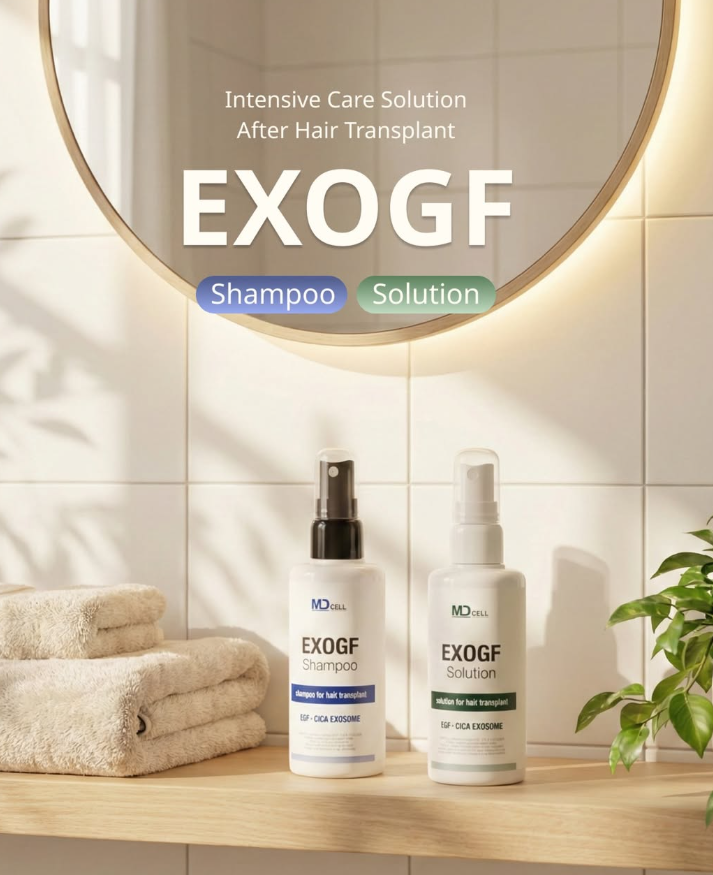
Transplanted Area (Frontal Hairline and Crown)
- Lather shampoo thoroughly into foam before applying.
- Gently place the foam onto the transplanted area.
- Leave the foam on the scalp for approximately 10 minutes to allow impurities to loosen naturally.
- Do not rub or scrub the area.
- Rinse using lukewarm water, allowing the water to flow gently from top to bottom.
Donor Area (Back of the Head)
Although the donor area is generally more stable, stimulation should still be avoided until the extraction marks have fully healed.
- Lightly tap the area with foam rather than rubbing.
- Avoid applying strong pressure.
Water Pressure Control
Directly spraying water onto the scalp using a showerhead should be avoided.
- Let water flow onto your palm before gently rinsing the scalp, or Use a small container to pour water slowly over the head.
Alcohol and Smoking: Strictly Avoid for At Least One Week
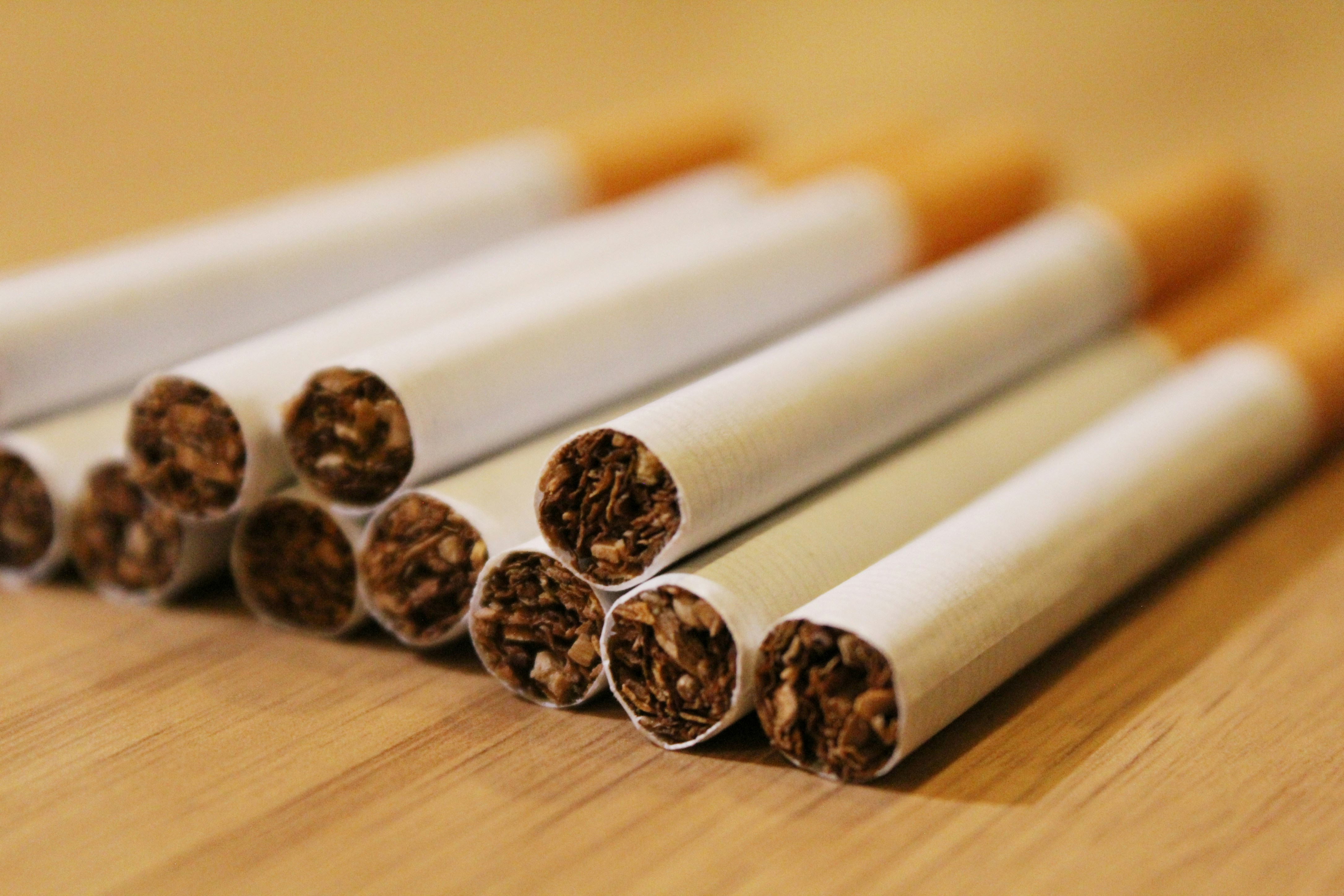
Alcohol consumption and smoking can reduce blood circulation, limiting nutrient supply to transplanted hair follicles and potentially triggering inflammation.
Because alcohol and smoking may directly contribute to graft failure, patients should avoid both for at least one week, with two weeks of abstinence strongly recommended for optimal recovery.
Daily Lifestyle and Styling: Frequently Asked Questions
Q: What sleeping position is recommended?
For the first 3–5 days after surgery, patients should sleep on their back while facing upward.
This prevents pressure or friction from affecting the transplanted areas. Sleeping on your side may place direct stress on the grafts and should be avoided.
Q: When can styling products such as wax or hair spray be used?
Styling products must be avoided during the first two weeks, which is the critical graft stabilisation period.
The adhesive properties of styling products may pull on transplanted hairs, and washing them off can create external pressure that may dislodge grafts. Hair that falls out due to external force during this stage may not regrow.
Styling products can generally be used after one month, but should be applied only to the hair tips and not directly onto the scalp.
Q: When can exercise be resumed?
Light exercise, such as walking, can usually begin immediately after surgery.
However, high-intensity workouts, weight training, or activities that significantly increase blood pressure should be avoided for at least two weeks.
Q: When can hot springs, public baths, or saunas be used?
To prevent infection and protect hair follicles, patients should avoid hot springs, public baths, and saunas for at least two weeks.
High heat and humidity may negatively affect graft survival.
Physical Changes Patients Should Expect
Facial Swelling
Swelling around the forehead or eyelids may appear two to three days after surgery.
This is a normal reaction and usually resolves within a few days.
Sleeping with the head slightly elevated above heart level can help reduce swelling.
Temporary Numbness
Patients may experience numbness or reduced sensation around the donor or transplanted areas.
This occurs during the nerve healing process and typically improves naturally within several months.
Shock Loss (Temporary Shedding Phase)
Between two to four weeks after surgery, transplanted hair—and sometimes surrounding existing hair—may temporarily fall out. This phenomenon is commonly referred to as the “shedding phase” or “shock loss.”
Although this stage can be concerning, it is a normal biological process. The hair follicles remain alive, and healthier hair growth typically resumes over time.
Conclusion: Where Medical Expertise Meets Patient Responsibility
Successful hair transplantation does not rely solely on surgical expertise.
The long-term survival and growth of transplanted hair follicles require careful patient management and strict adherence to medical guidelines.
The first 14 days after surgery represent a critical stabilisation period that significantly influences graft survival.
Non-incisional hair transplant procedures minimise scalp trauma through advanced surgical techniques.
However, their full effectiveness can only be achieved when combined with precise and consistent post-operative care.
Understanding expected physical changes and following medical instructions carefully are essential steps toward achieving natural, long-lasting results.
Affordable. Advanced. Beautifully designed. Hair transplants in Korea.
Solve your hair loss concerns at one of Korea’s leading clinics, trusted with over 3,000 procedures each year. From interpretation and on-site assistance to accommodation and transfers, we support you every step of the way.
Tag List
Hair Transplant Column





「美容植毛」
コストパフォーマンスが高い
韓国の美しい自毛植毛