


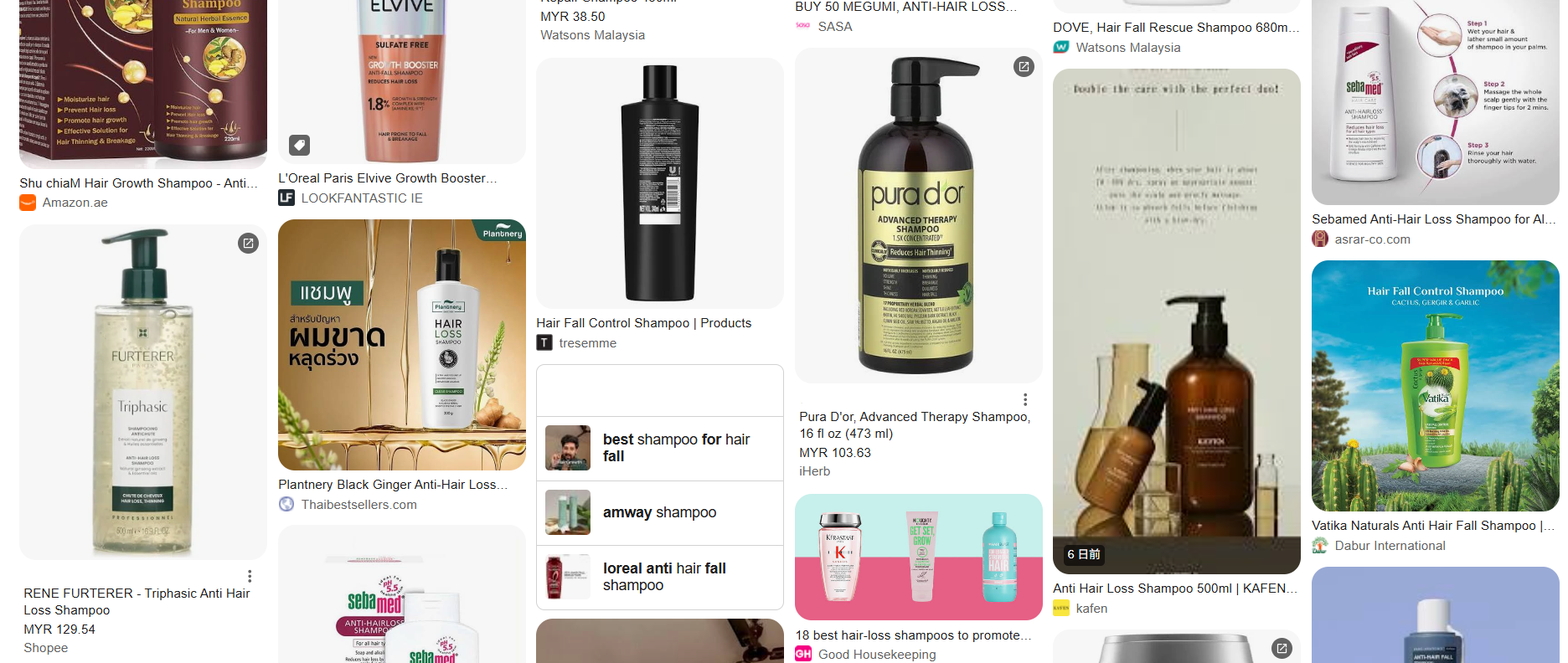
When people first notice more hair falling out in the shower or a widening part line, one of the first things they usually do is buy a hair loss shampoo.
A quick search online reveals hundreds of products claiming to strengthen hair, reduce shedding, improve scalp health, or even stimulate hair growth.
But can changing your shampoo actually stop hair loss?
The short answer is not by itself.
Hair loss shampoos can help improve the condition of your scalp and hair, but they cannot treat the underlying cause of androgenetic alopecia (AGA), also known as male or female pattern hair loss.
That doesn't mean they're useless.
Understanding what a hair loss shampoo can—and cannot—do will help you choose the right treatment before valuable time is lost.

A shampoo stays on your scalp for only a short period before being rinsed away.
Its primary purpose is to clean the scalp by removing excess oil, dirt, dead skin cells and product build-up.
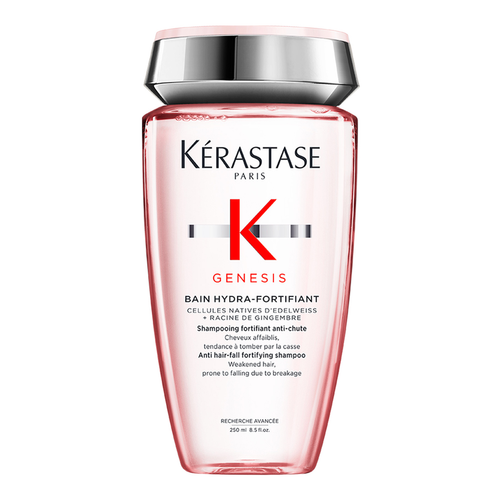
A good shampoo may also help:
These benefits can make hair look fuller and healthier.
However, they are different from treating the biological process that causes hereditary hair loss.
Unfortunately, no.
Male pattern baldness develops because hair follicles gradually become smaller under the influence of a hormone called DHT (dihydrotestosterone).
As the follicles shrink, hairs become thinner, shorter and eventually stop growing.
A shampoo cannot remain on the scalp long enough to block DHT or reverse follicle miniaturization.
If you notice:
changing shampoo alone is unlikely to stop the process.
The earlier AGA is identified, the more treatment options are available.
Many hair loss shampoos advertise ingredients such as Caffeine, Biotin, Niacinamide, Amino acids, Peptides and Botanical extracts.
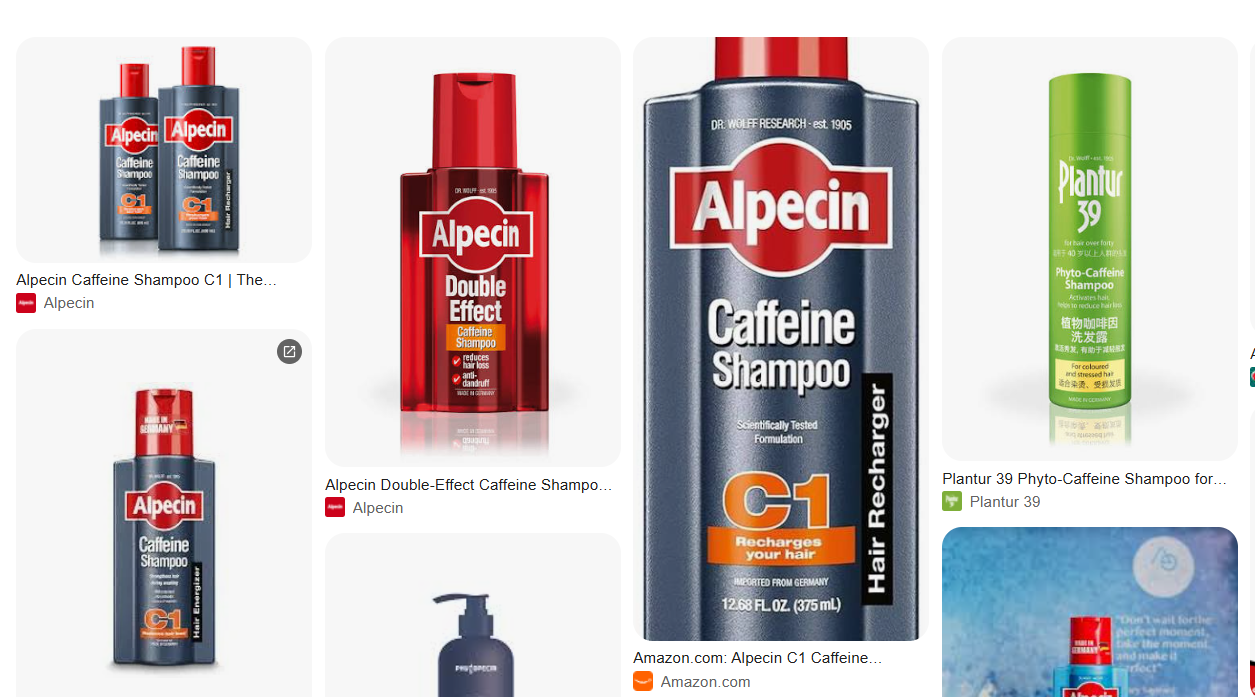
These ingredients are often included because they may help condition the scalp or strengthen existing hair.
Some laboratory studies have explored ingredients like caffeine, but current clinical evidence does not show that shampoo ingredients alone can reverse androgenetic alopecia.
A shampoo containing these ingredients may improve how your hair feels or looks, but it should not be considered a replacement for evidence-based hair loss treatment.
Some people notice less hair in the shower after switching shampoos.
There are several possible reasons.

If your previous shampoo irritated your scalp, changing to a gentler formula may reduce inflammation or scratching.
Conditioning ingredients may also reduce hair breakage.
When hair breaks less easily, it can appear as though hair loss has improved.
However, less breakage is different from treating the underlying cause of pattern hair loss.
Not necessarily.
Price does not always reflect effectiveness.
A more expensive shampoo may contain premium ingredients, fragrances or packaging, but that does not automatically make it more suitable for your scalp.
Instead of focusing on price, look for a shampoo that:
The best shampoo is simply one that keeps your scalp healthy while fitting your daily routine.
There is a lot of conflicting advice online.
Some people believe silicones clog hair follicles, while others avoid sulphates completely.
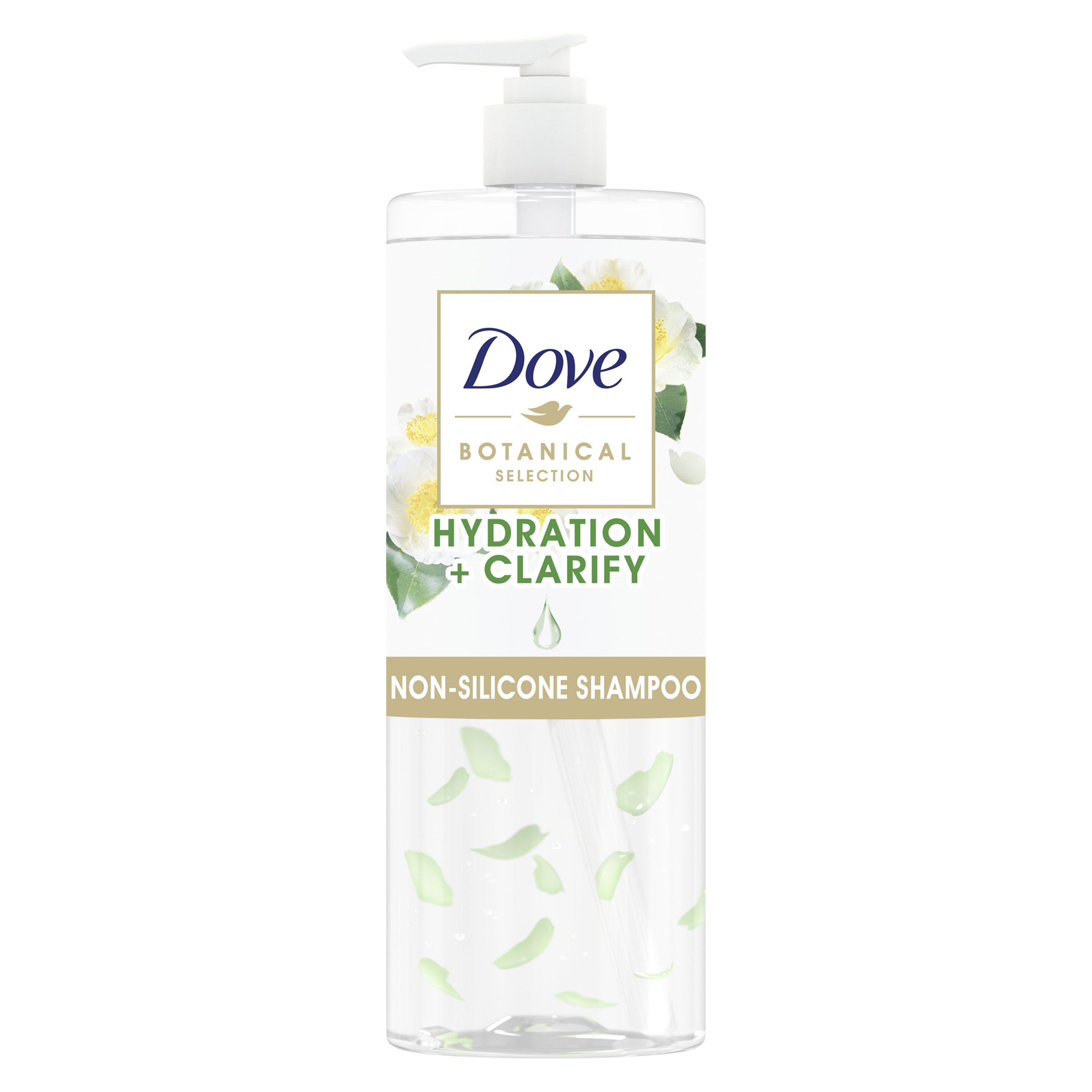
In reality, no single ingredient is suitable—or unsuitable—for everyone.
Silicones can help reduce friction and protect damaged hair.
Sulphates provide stronger cleansing, which may be helpful for people with oily scalps.
Rather than choosing products based solely on one ingredient, pay attention to how your scalp responds after several weeks of use.
Yes.
In fact, many people use both.
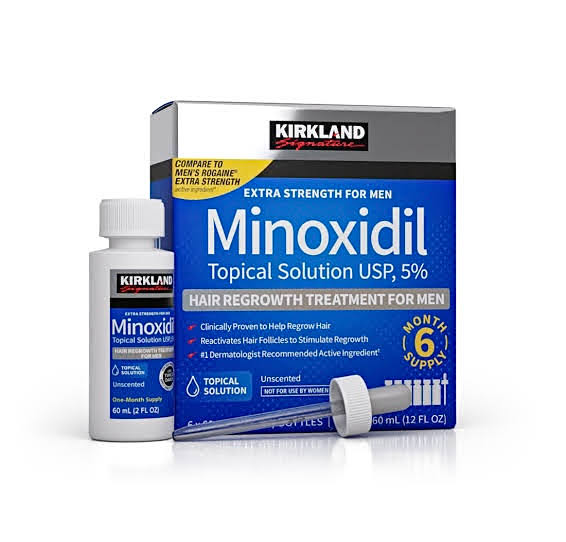
Hair loss shampoo and topical minoxidil have completely different roles.
A shampoo helps maintain a healthy scalp.
Minoxidil is a proven medication that helps stimulate hair growth.
A typical routine looks like this:
If you experience irritation after using both products together, consult your doctor before continuing treatment.
If your hair has been thinning for several months, it may be time to seek professional advice.
Signs that should not be ignored include:
Many people spend months—or even years—trying different shampoos before receiving a proper diagnosis.
Because androgenetic alopecia is progressive, delaying treatment may reduce the chances of preserving existing hair.
Hair loss shampoos, minoxidil and finasteride are all designed to preserve or strengthen existing hair.
However, they cannot recreate hair follicles that have already disappeared.
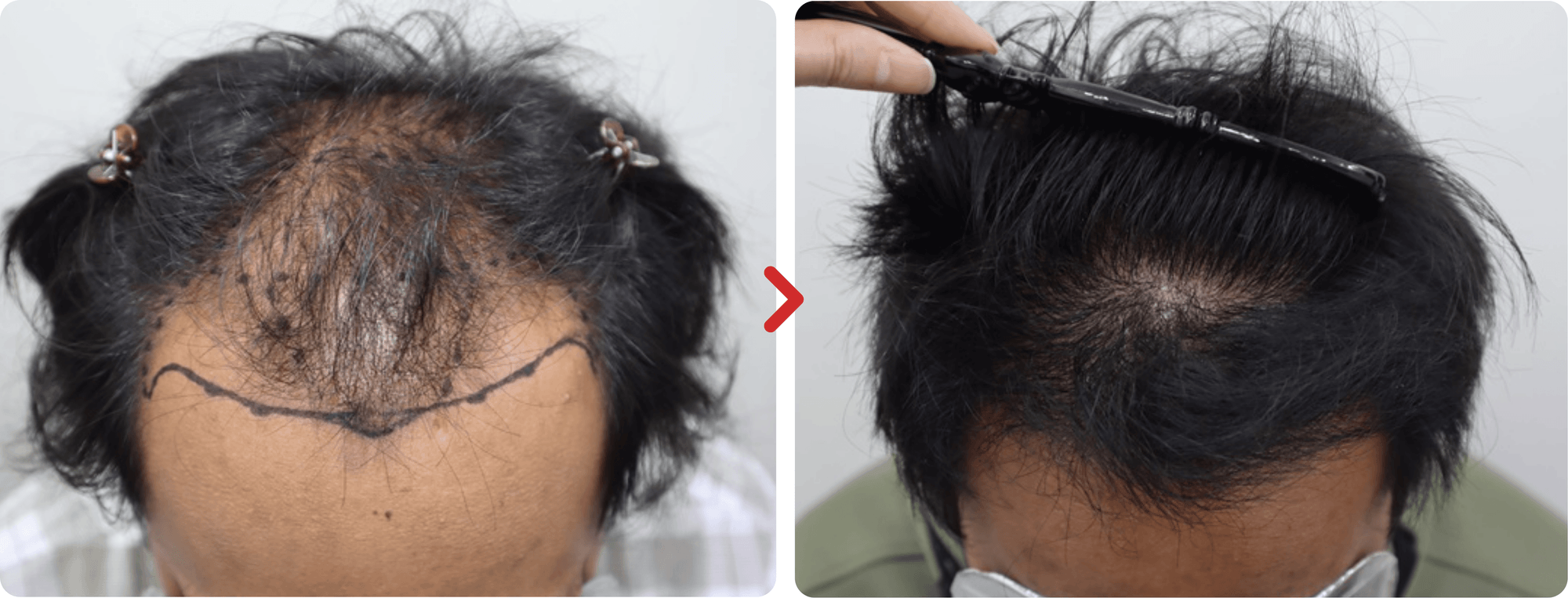
If the hairline has receded significantly or an area has remained bald for many years, medication alone may not restore the desired density.
In these situations, a hair transplant may provide a more predictable long-term solution.
Many patients continue using medical treatment after surgery to help preserve their existing hair while enjoying a fuller, more natural-looking result.
Hair loss shampoos can be a useful part of a healthy hair care routine.
They help keep the scalp clean, reduce irritation and improve the appearance of existing hair.
However, they should not be viewed as a treatment for androgenetic alopecia.
If you are experiencing ongoing hair thinning, the most effective approach is to identify the underlying cause early and choose the treatment that best matches your condition.
For some people, that may be medical therapy with minoxidil or finasteride.
For others, particularly those with advanced hair loss, a hair transplant may offer the most effective way to restore natural hair density.