


%20(1).jpg)
In recent years, as the number of people struggling with hair loss continues to rise, interest in autologous hair transplantation has skyrocketed.
Previously, the primary focus was often on "how many grafts could be transplanted." Today, however, an increasing number of patients prioritize:
A hair transplant is far more than just moving hair from one spot to another. It is a delicate medical procedure that involves creating microscopic incisions in the scalp, transferring hair follicles, and ensuring they successfully engraft and heal.
Because of this, the final outcome depends not only on the surgeon's technical skill but also heavily on post-operative care and the scalp environment.
Below, we break down the critical factors of graft survival and scar prevention that top clinics in South Korea emphasize.

It is a common misconception that larger wounds automatically lead to larger scars. In reality, scar formation is deeply tied to skin tension.
When the skin is pulled tightly or subjected to continuous irritation, the body perceives it as ongoing damage and may overproduce collagen. This can result in redness, raised bumps, or hard, fibrous scar tissue (hypertrophic scars).

Note on Precision: In hair transplantation, the depth, angle, and spacing of the recipient sites must be exceptionally precise. If the micro-slits or punctures are uneven, it can cause unnecessary fibrosis during the healing process, potentially compromising a natural-looking result.
Consequently, reputable Korean hair transplant clinics focus less on chasing sheer density and more on designs that minimize the overall burden on the scalp.
Transplanted hair follicles do not permanently secure themselves immediately after surgery. For the first few days, their connection to the surrounding blood vessels remains highly unstable.
During this fragile window, factors like poor blood circulation, severe inflammation, dryness, or physical pressure can severely impact the final survival rate. The first 72 hours are widely considered the most critical period for the follicles to stabilize.
Modern Korean hair transplant clinics utilize various supportive therapies to optimize and accelerate the recovery process.
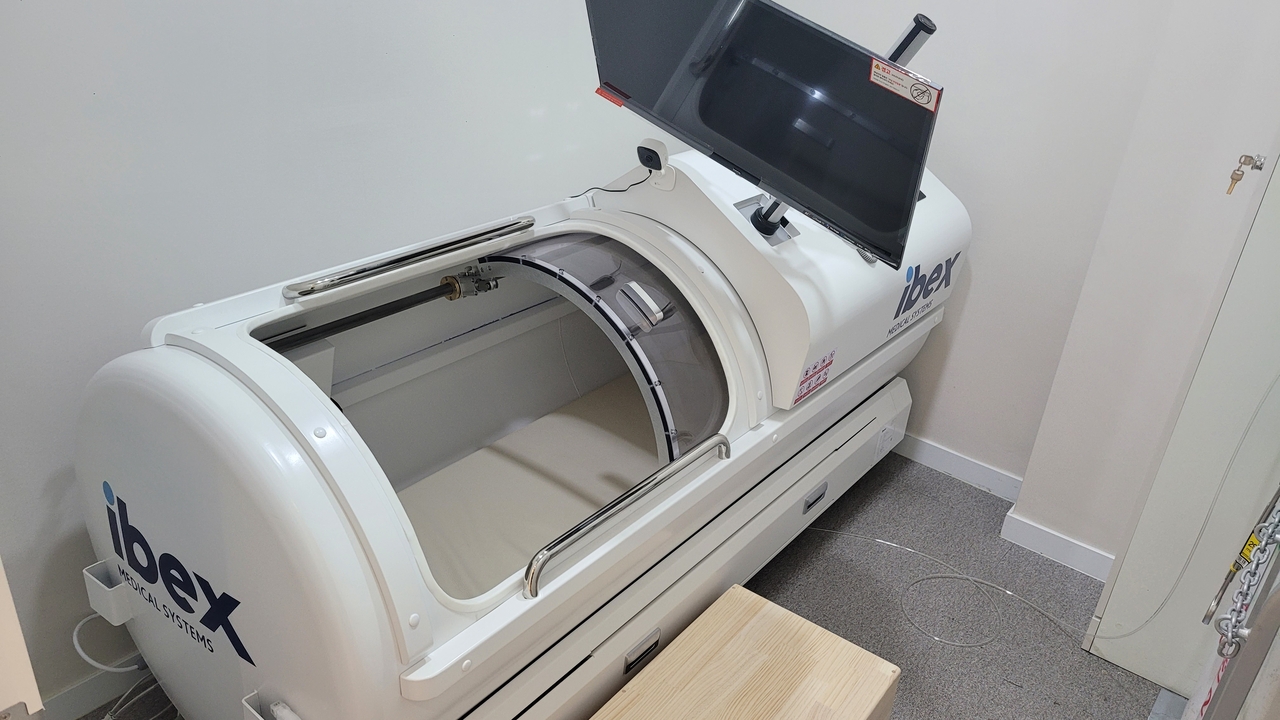
This treatment involves breathing pure oxygen inside a specialized chamber pressurized above normal atmospheric levels.
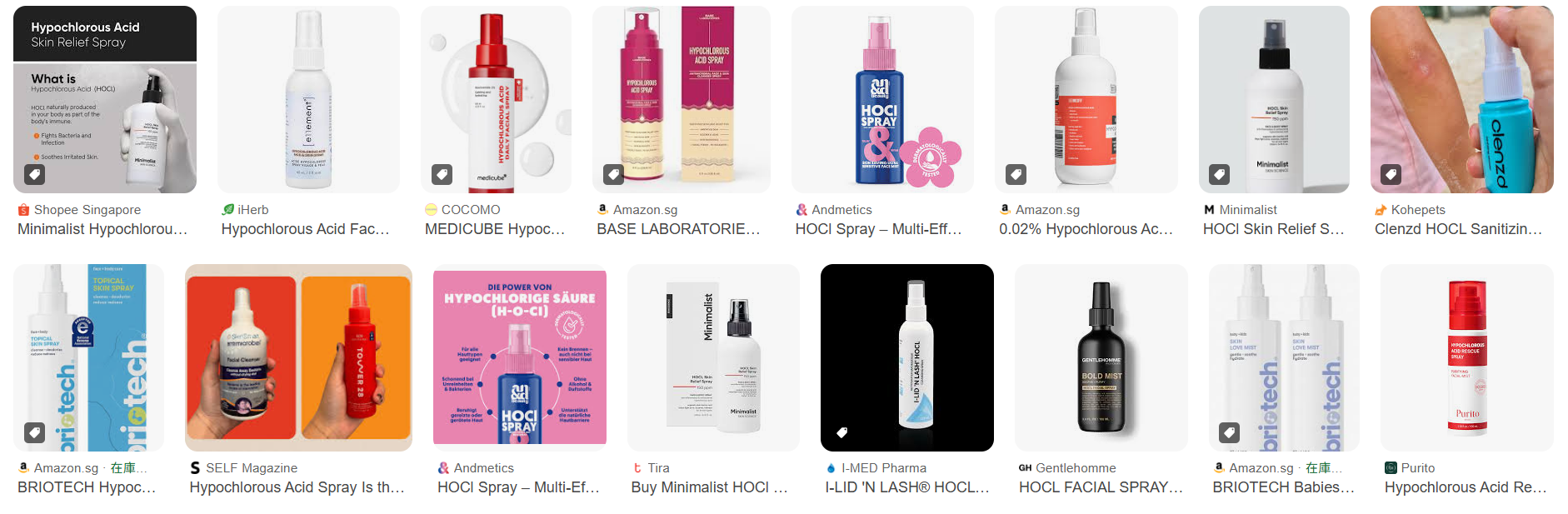
Dryness and excessive scab formation can hinder proper follicle engraftment. To counteract this, many clinics provide HOCl (Hypochlorous Acid) based sprays for post-op scalp care.
Daily habits during the recovery phase play a major role in how well your grafts survive.

Smoking and excessive alcohol consumption are two major culprits to avoid:
To safeguard your investment, most clinics strictly recommend abstaining from both smoking and drinking for a specified period post-surgery.
Some individuals may already suffer from visible scarring due to previous surgeries (such as traditional FUT linear scars) or a personal predisposition to keloids and raised tissue.
Fortunately, modern corrective approaches can help camouflage or improve these areas.
Advanced clinics often combine micro-punch techniques, laser therapy, Scalp MicroPigmentation (SMP), and cryotherapy to minimize the appearance of old scars.

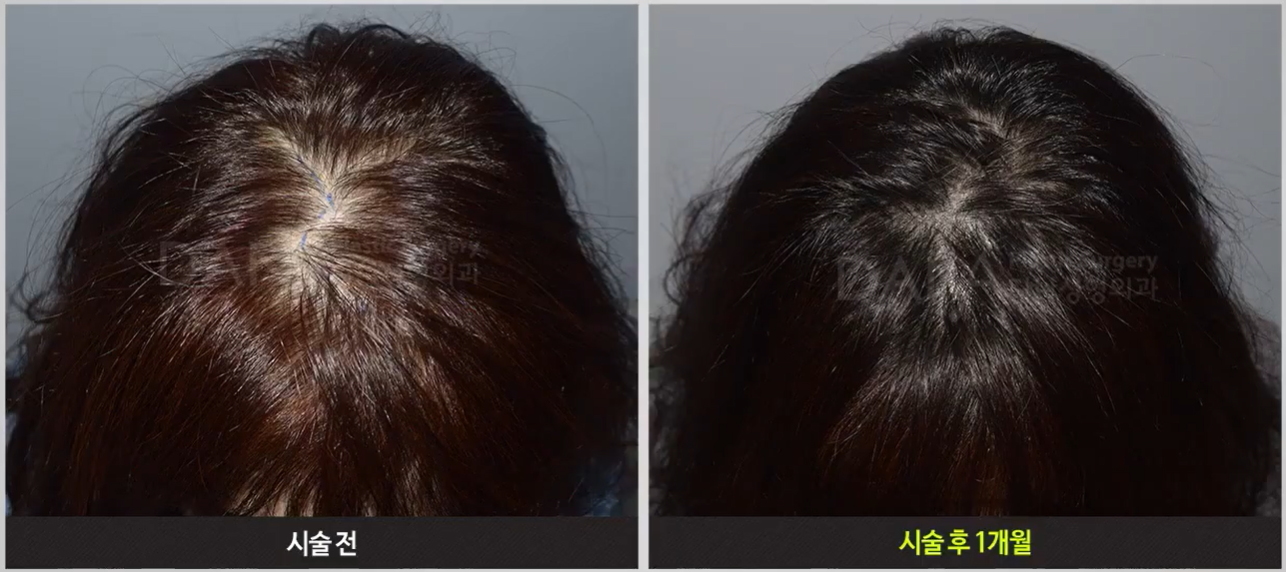
Because every scalp and scar type is unique, a thorough, professional diagnostic consultation is essential before proceeding with corrective treatment.
A successful hair transplant requires looking at the bigger picture. True success lies in preparing the ideal "soil" for the transplanted hair to grow sustainably over a lifetime.
Achieving this requires a comprehensive approach that includes:
The current trend in South Korea’s hair transplant industry is shifting away from simply packing in maximum density toward achieving natural recovery and long-term retention.
When choosing a clinic, it is highly advisable to evaluate their post-operative care protocols and their philosophy on graft survival, rather than comparing prices alone.
The final success of an autologous hair transplant is measured by much more than just the initial graft count. The ultimate outcome is shaped by:
The way you manage your scalp and care for your body during the first crucial days post-op can make a remarkable difference in the future density and natural look of your hair.
When planning your procedure, look beyond basic pricing and graft numbers. Prioritize the surgeon's technical precision, the clinic's dedicated post-op support system, and how well they protect your scalp health.
After all, a truly rewarding hair transplant is about creating a healthy, natural foundation that lasts.