


For many women, a high forehead or recessed temples may not seem like a major concern until the hair is tied back.
That is often when the shape of the hairline becomes much more noticeable.
Some women find themselves constantly wearing bangs, changing their parting or avoiding hairstyles that expose the forehead.
For women in Singapore considering a more permanent solution, female hairline transplantation in Korea has become one option worth exploring.
But there is an important point to understand before looking at graft numbers or deciding how many centimetres to lower the forehead:
A good female hairline transplant is not simply about creating more hair.
It is about designing a hairline that looks as though it has always belonged to your face.
And that is where female hairline transplantation can differ considerably from a typical male hair transplant.

The basic principle of transplantation is the same: healthy follicles are taken from the donor area and transplanted into areas that need additional coverage.
The difference is mainly in the design.
Male hairlines often have more noticeable frontotemporal angles and a somewhat stronger transition from the centre towards the sides.
Female hairlines tend to transition more softly across the forehead and into the temple area.
That does not mean every woman should receive the same rounded hairline.
In fact, making the line too perfectly round can have the opposite effect.
Natural hairlines usually contain small irregularities.
One side may sit slightly higher than the other, the edge is rarely perfectly smooth, and fine baby hairs often soften the transition between the forehead and thicker hair behind it.
The aim is therefore not to draw a beautiful line on the forehead.
It is to create a line that looks natural on that particular face.
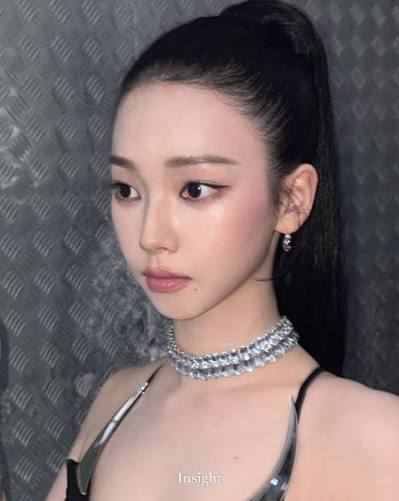
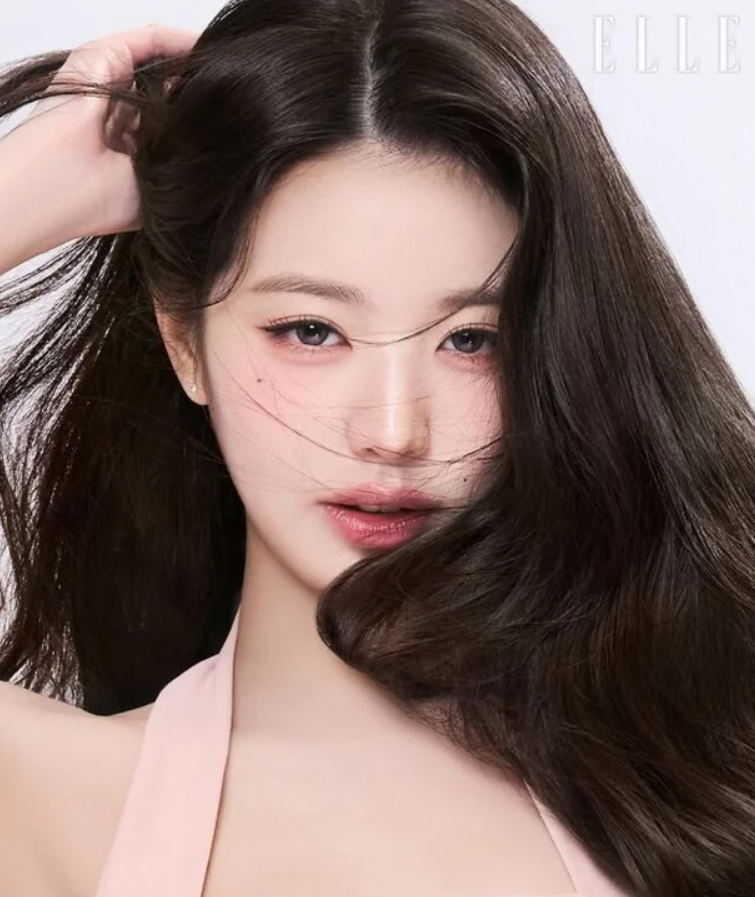
① Female: Softer / Curved
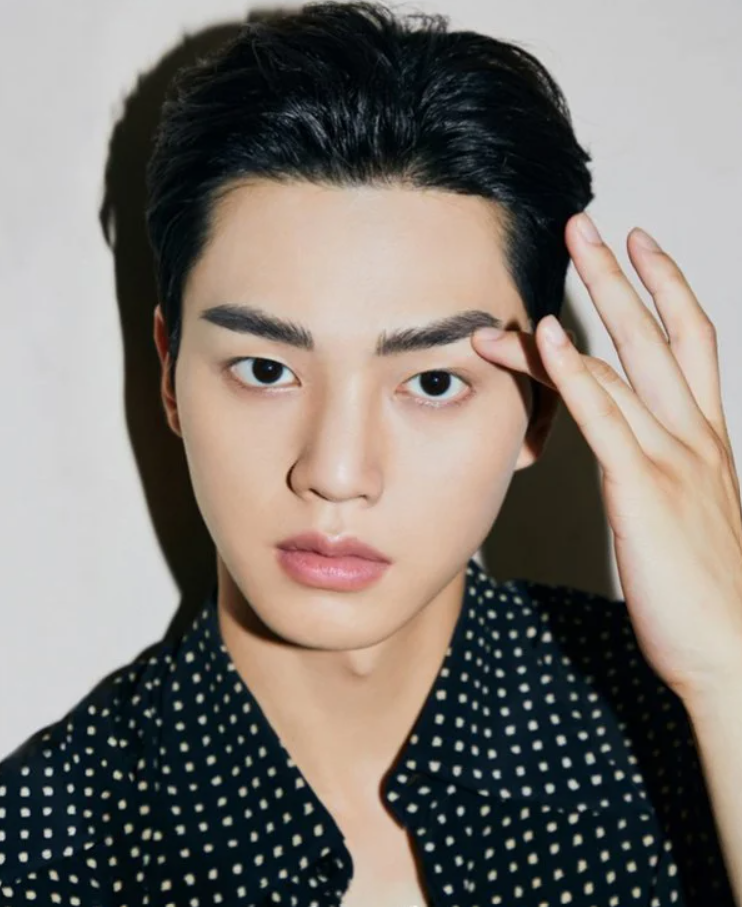
② Male: More Angular / Defined
This is one of the first questions many patients ask.
But “How low can we go?” is not necessarily the best starting point.
Lowering the centre of the hairline too much can make the transition towards the temples look disconnected.
Filling the temple areas too aggressively can also make the upper part of the face appear visually heavy.
There is also a practical limitation: the lower the hairline moves, the larger the area that needs to be covered.
If the same number of grafts is spread across a larger area, the final density may decrease.
Alternatively, maintaining higher density over that larger area requires more donor hair.
A better consultation therefore looks at the face as a whole:
the central forehead height, temple recession, cheekbone width, jawline and existing hairline should all work together.
For patients travelling from Singapore to Korea for surgery, this is something worth discussing during an online consultation before booking flights or choosing a graft number.
“What hairline shape would suit my facial proportions?”
rather than simply:
“How many centimetres can you lower my forehead?”
.png)
At first glance, a smooth and symmetrical hairline might sound ideal.
In reality, natural hair rarely behaves that way.
A real female hairline usually has subtle changes in contour. Hair thickness and density also change as the line moves from the centre towards the temples.
If follicles of the same thickness are placed at identical intervals along a perfectly smooth curve, the result may look too defined.
This can create what patients sometimes describe as a “drawn-on” or wig-like hairline.
That is particularly important for women who regularly wear ponytails or tie their hair back, because the frontal and temple areas become fully visible.
A good design therefore needs to look natural not only from the front, but also at 45 degrees and from the side.
.jpg)
One of the most important details in hairline transplantation happens on a very small scale.
The very front of a natural hairline is generally not packed with thick hair.
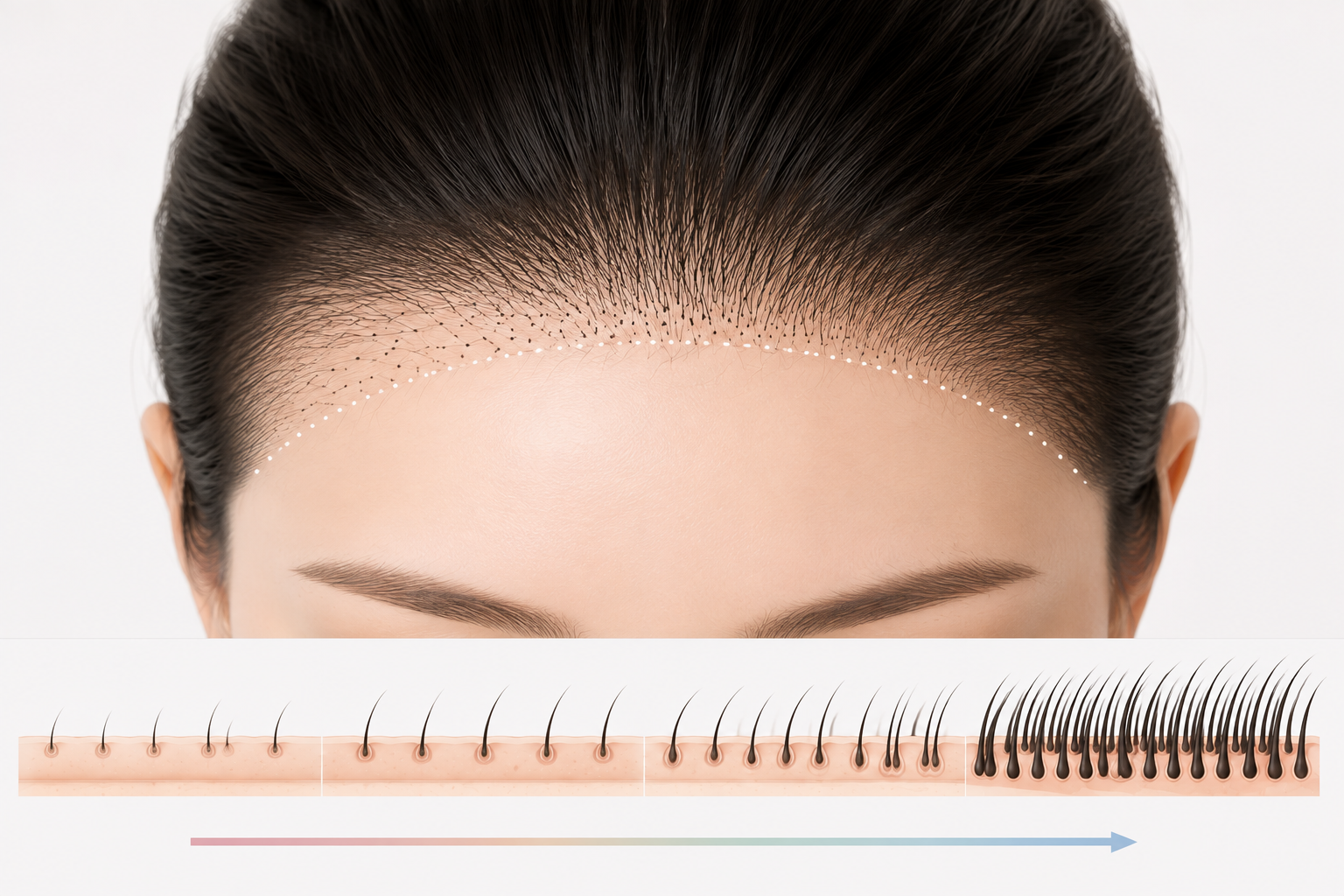
Instead, finer hairs appear first. Hair gradually becomes thicker and denser further behind.
This is why single-hair grafts are commonly important along the front edge.
However, simply using single-hair grafts is not enough.
If even single hairs are packed too densely into a sharp line, the boundary can still look artificial.
A more natural transition is created by gradually changing both hair thickness and density as the transplant moves backwards.
A 2025 study involving 60 East Asian women described a technique in which finer single-hair grafts were placed at the front of the hairline, followed by thicker single-hair and two-hair follicular units across an approximately 2 cm transition zone.
In simple terms:
Fine + Sparse → Gradually Thicker → Increasing Density → Existing Hair
That gradient can make a major difference when the goal is a soft, natural-looking female hairline.
Not necessarily.
Baby hairs can help make a hairline look soft and natural, but their placement matters more than their quantity.
Existing fine hairs around the original hairline can create a bridge between the transplanted area and the natural hair behind it.
For that reason, they do not always need to be removed simply because they fall outside the newly planned hairline.
In some cases, keeping them may actually make the final transition look more natural.
This is another reason why hairline transplantation should not be approached as if the surgeon were drawing a completely new border.
The existing hair should become part of the design.
Patients often focus on the outline of the new hairline.
But the direction in which each follicle is implanted can be just as important.
Transplanted hair tends to grow according to the direction and angle in which the follicle was placed.
Female frontal hair often lies relatively flat against the scalp and grows forward or slightly diagonally.
The natural direction can also change between the central hairline, corners and temples.
If all follicles are implanted at similar angles, the new hair may eventually stand too upright or behave differently from the surrounding hair.
For women who consistently wear a side part, the usual parting direction may also be worth discussing during the design process.
This detail becomes particularly important when the hair is long, because transplanted hair needs to blend naturally into the existing hairstyle.
There is no universal answer.
Both FUE and FUT can be used for female hairline transplantation, and the better option depends on the donor area and the patient’s priorities.
With FUT, a narrow strip of scalp is removed from the donor area and separated into individual follicular units.
This can leave a linear scar, although longer hair may conceal it relatively easily.
FUE extracts follicles individually. It avoids one long linear scar, but small dot-like marks may remain, and some FUE techniques require partial shaving.
For women, donor density deserves particular attention.
If the donor hair is already fine or relatively sparse, overly aggressive FUE harvesting may reduce density at the back of the head and make the scalp more visible.
So the decision should consider:
rather than assuming that one method is automatically better.
For Singapore patients comparing Korean clinics, this is also why it makes sense to compare treatment plans, not simply prices.
Read our full guide to FUE vs FUT hair transplant methods.
Hair transplantation takes time.
The appearance immediately after surgery is not the final result.
The transplanted hair shafts may shed during the first few weeks. New growth commonly begins around three to four months after surgery.
At first, the new hairs may be fine and short. They gradually become longer and thicker.
Visible changes often become clearer around six months, while the overall density and final shape of the hairline may take approximately a year to evaluate.
For international patients, including those returning to Singapore shortly after treatment, this means most of the recovery and growth process takes place back home rather than in Korea.
That makes realistic expectations and clear aftercare guidance especially important.
It can happen.
When grafts are placed between existing hairs, surrounding hairs may temporarily shed as a response to the procedure.
However, this does not happen to every patient.
Female hairline correction often involves transplanting into forehead skin where relatively little existing hair is present.
The risk may be more relevant when additional density is being added inside the existing hairline or recessed areas.
This is why the condition of the existing hair should also be assessed before surgery.
A common mistake is comparing clinics only by the number of grafts quoted.
Graft count matters, but it does not explain how those grafts will be used.
Even with the same amount of hair, results can differ depending on:
Even with the same number of grafts, the final appearance can differ considerably depending on how those grafts are distributed and how the density transition is designed.
So when comparing clinics, do not ask only:
“How many grafts will I receive?”
Also ask:
“How will you design my hairline?”
That question can tell you much more about the final result.
For most women, the ideal result is not a dramatically lower forehead or a perfectly shaped line.
It is a hairline that still looks natural when the bangs are lifted, when the hair is tied back and when the face is viewed from different angles.
That requires more than simply filling empty space.
The overall facial proportions, temple connection, single-hair grafts at the front, density gradient, existing fine hairs and implantation direction all need to work together.
For women in Singapore considering a hairline transplant in Korea, it may therefore be more useful to begin with design rather than price.
A good consultation should help answer not only:
“How much hair do I need?”
but also:
“What kind of hairline would actually look natural on me?”
KAN HAIR supports patients travelling from Singapore to Korea for hair transplant treatment, from clinic selection and online consultation to interpretation and aftercare.
If you are unsure whether you are suited to FUE or FUT, how many grafts you may need, or what type of hairline would complement your facial proportions, an online consultation can be a useful first step before planning your trip.