


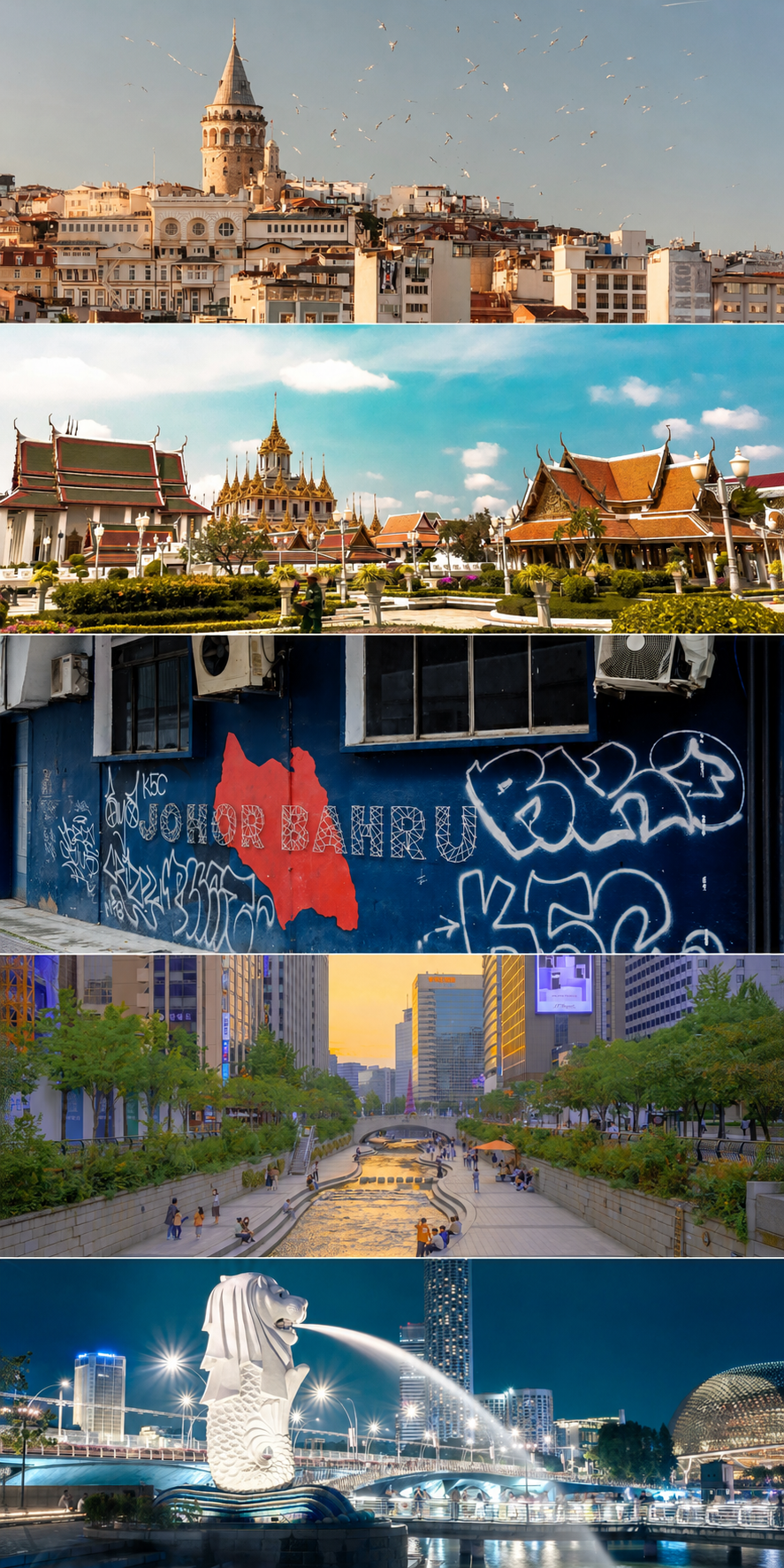
If you have priced a hair transplant in Singapore, you have probably already opened a second tab.
Most Singapore patients researching hair restoration end up looking at the same four destinations: Turkey, Thailand, Malaysia and South Korea.
Each has a genuine case.
Each is also marketed almost entirely by clinics with a stake in the answer.
We are one of those clinics — we coordinate hair transplants in Korea.
So rather than argue, we have put all five options in one table with the same assumptions applied to each, and let the numbers say what they say.

Turkey is the cheapest, and it is not close.
A Turkish package comes to roughly a third of a Singapore procedure, flights included.
Thailand and Malaysia sit just above it, with far shorter flights.
Johor Bahru is a causeway crossing.
Bangkok is two and a half hours.
Korea is the second most expensive of the five, ahead of only Singapore.
Singapore is the most expensive in our benchmark comparison, and the only option where you recover in your own bed.
If price is your only criterion, stop here and look at Turkey. If it is not, the rest of this article is about what separates five options that all promise the same result.
All figures are for a 2,000-graft case, a common size for restoring the frontal third and mid-scalp.
Three things worth noticing.
Turkey, Thailand and Malaysia cluster together.
Around S$1,400 separates them. At that spread, the price difference is no longer the deciding factor — distance, follow-up access and how the quote is structured all matter more.
The step up to Korea is large.
Roughly S$4,000 above the cluster. That is a real premium and it needs justifying, which the sections below attempt.
Singapore sits in a category of its own.
Roughly triple Turkey. For a small case — a hairline touch-up under 1,000 grafts — the maths shifts and staying home can make sense.
At 2,000 grafts and above, however, the cost gap can become substantial depending on the clinic.
This decides whether the number you were quoted is the number you pay, and it differs more between these five markets than the prices do.
Two of these markets — Turkey and parts of Malaysia — commonly quote a package without committing to a graft count, often described as "unlimited".
That is convenient for budgeting and unhelpful for comparing, because the figure that determines your result is how many viable grafts actually go in.
And across all five, one check protects you: make sure both quotes you are comparing are stated in grafts, not hairs.
A graft holds one to four hairs, so the two counts are not interchangeable.
Our [cost breakdown] works through what that does to a quote.
Two things follow from that table.
The flight home.
Grafts stay fragile for the first days, so a long-haul flight with a five-hour time shift is a different recovery from a short hop in the same time zone.
Going back.
Photo review handles most of the first year from anywhere, so this only matters when something needs looking at in person — a slow-healing donor area, an unexpected reaction.
But when it does, the gradient is steep: Johor Bahru is an afternoon, Seoul and Bangkok are a weekend, and Istanbul is not happening.
That second point rarely appears in overseas hair transplant marketing, because it is the one thing a clinic cannot bundle into a package.
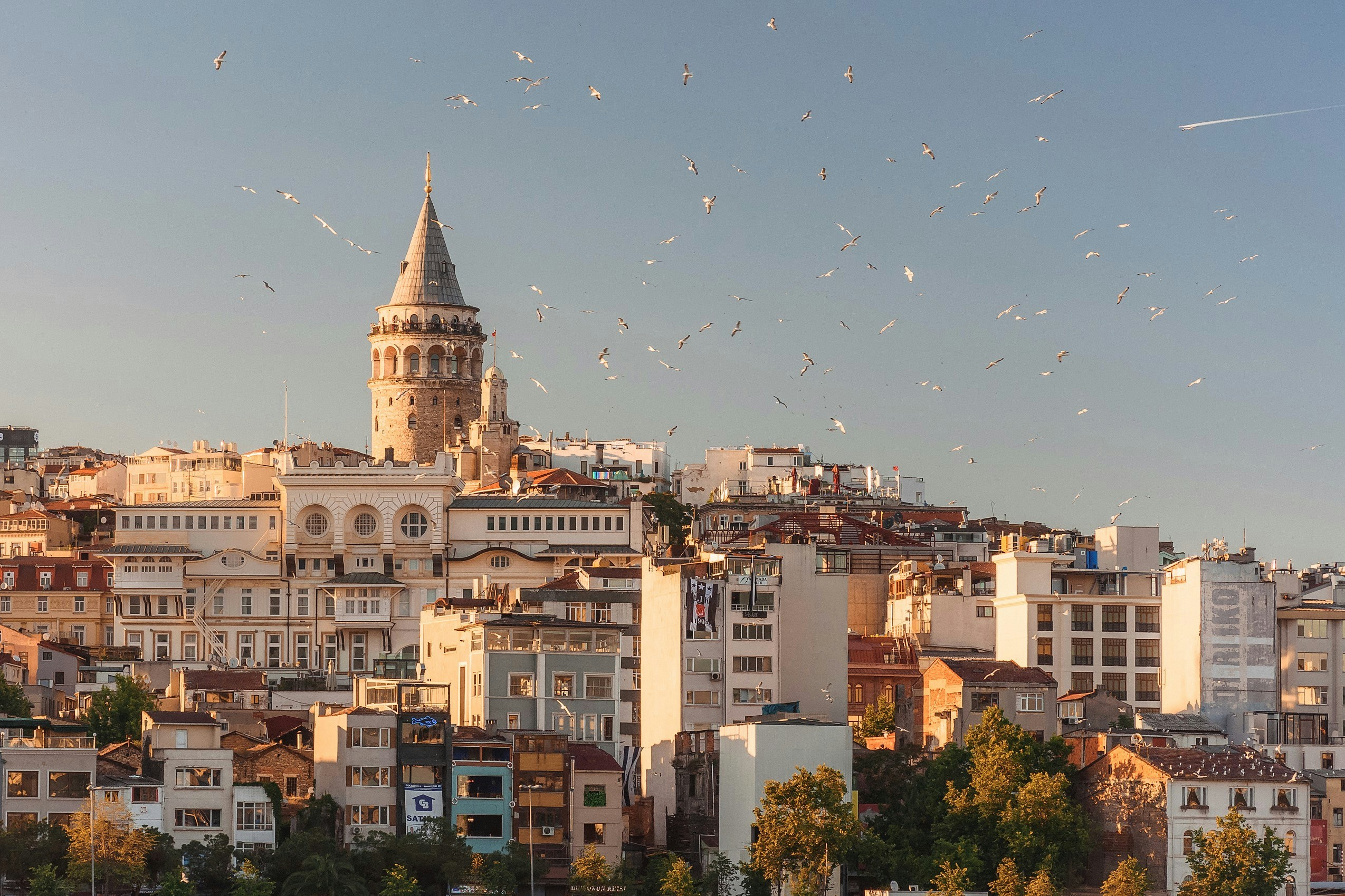
The lowest total cost by a clear margin, backed by one of the world's largest and most established hair transplant markets in the world.
The scale is the reason for the price, not a hidden trade-off.
What you are accepting is the longest journey on this list, a package model that often will not commit to a graft count, and a clinical base built largely on Caucasian hair profiles.
Our [Korea vs Turkey guide] covers all three in depth.
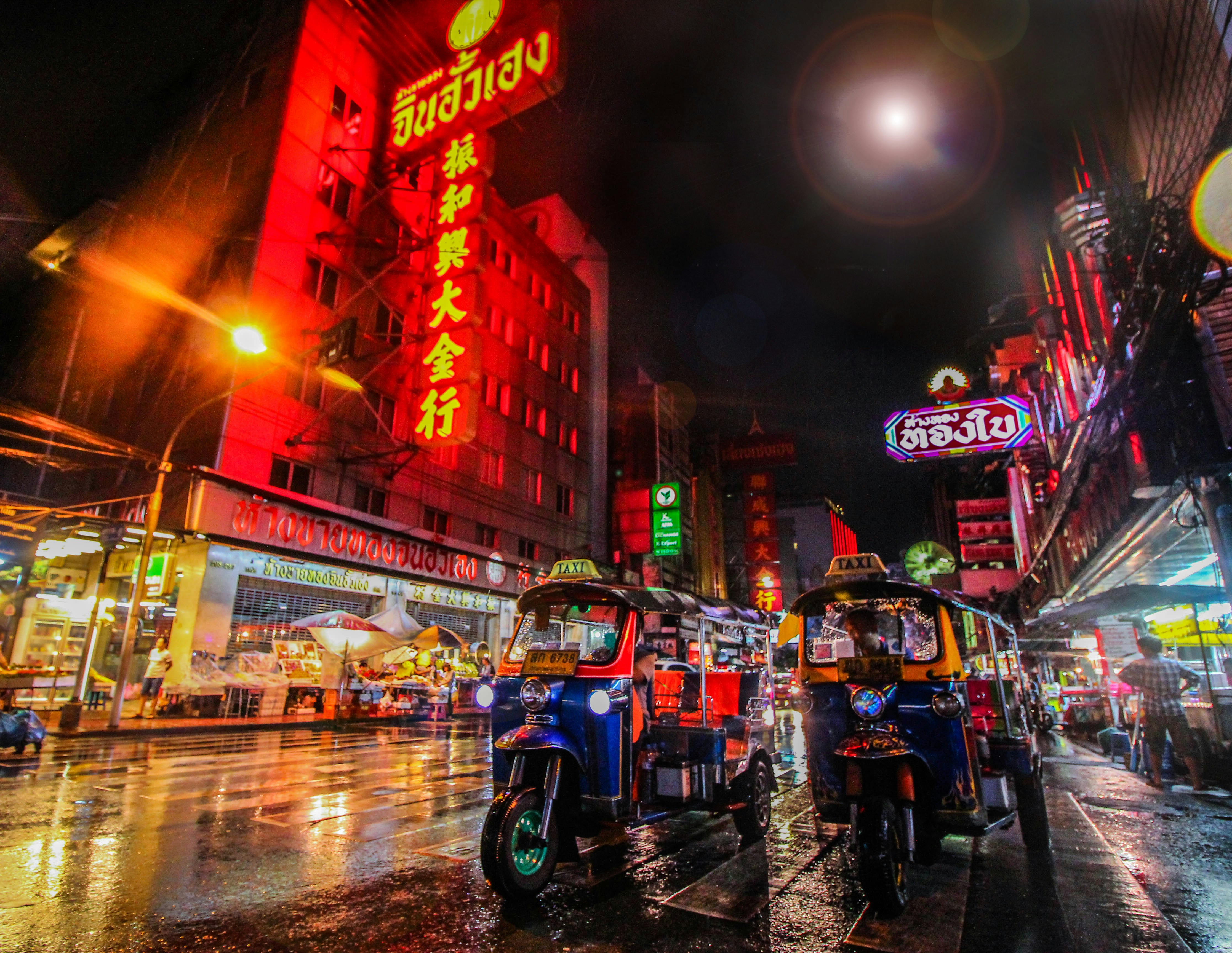
Close to Turkey on price and far closer on distance.
Bangkok has JCI-accredited hospitals, ABHRS-certified surgeons and a medical tourism sector that has been serving international patients for decades.
The trade-off is spread.
The gap between the cheapest and the most expensive Bangkok clinic is wider than in any other market here, and it tracks who is actually holding the punch.
A Thai quote tells you less on its own than a quote from anywhere else on this list, which makes clinic-level vetting the whole job.
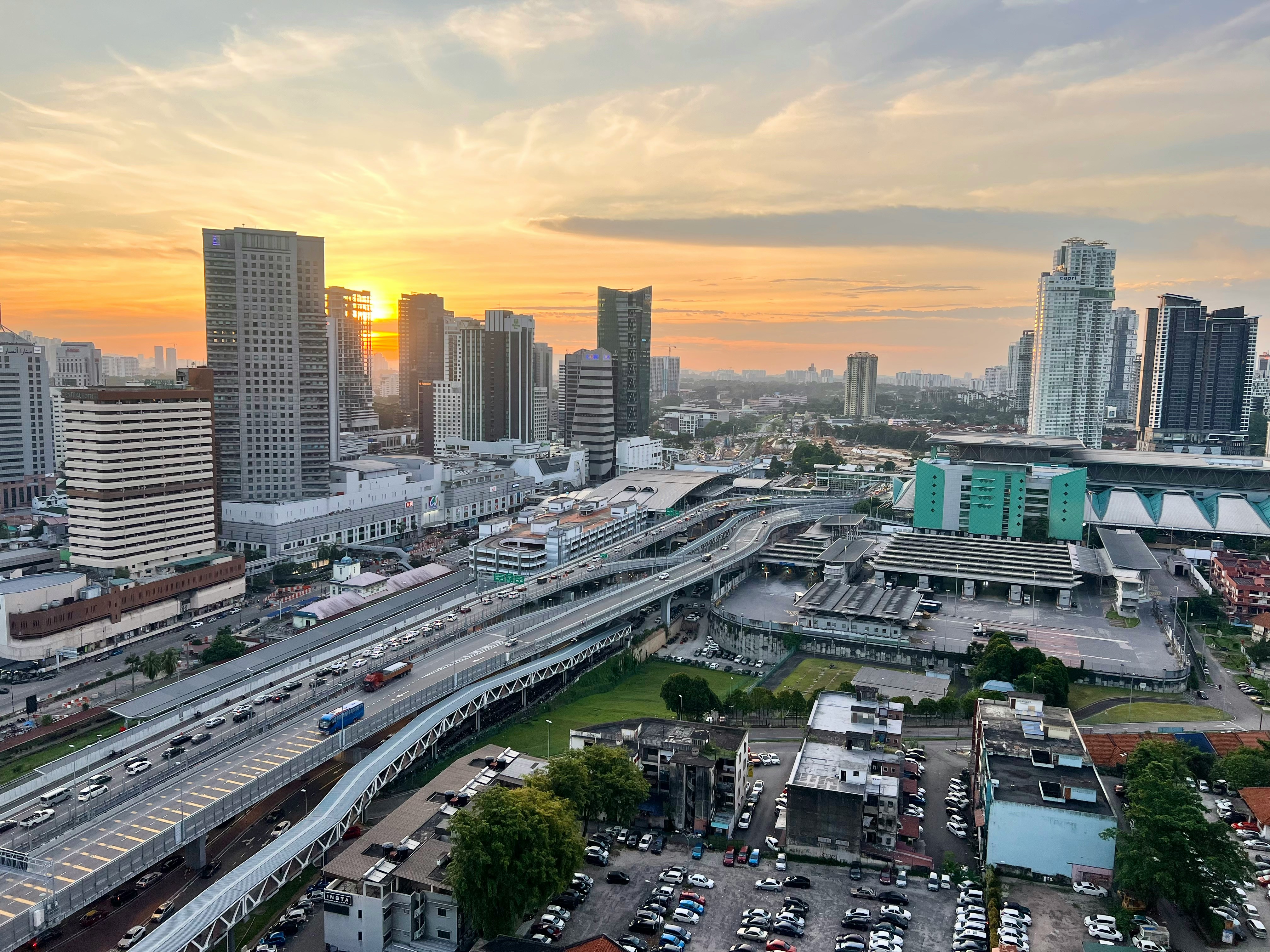
The shortest trip of any overseas option, at a price close to Thailand's.
Johor Bahru is a causeway crossing; Kuala Lumpur is an hour's flight. If the ability to go back easily matters to you, nothing else competes.
The trade-off is depth of specialist provision.
Malaysia has far fewer dedicated hair restoration clinics than Turkey, Thailand or Korea, and in Johor Bahru specifically the pool is very small — medical directories list only a handful of licensed providers offering hair transplant surgery in the city, with most of the country's specialist capacity concentrated in Kuala Lumpur.
So the calculation is unusual: the destination with the best follow-up access also has the smallest pool of surgeons with high case volumes in your particular pattern of hair loss. Both halves are real.

The second-highest price here, and the premium buys a different kind of calibration rather than a different quality tier.
Korean hair transplant practice has developed extensively around East Asian hair characteristics.
Differences in hair thickness, density, growth direction and hairline structure can influence how a transplant is designed and performed.
Alongside that: a graft count confirmed before you commit, and a 6.5-hour flight home in almost the same time zone.
Whether that is worth roughly S$4,000 over Thailand is a judgement rather than a fact.
It scales with how large your case is, how far your hair type sits from the profile a clinic normally treats, and how much a firm number up front is worth to you.
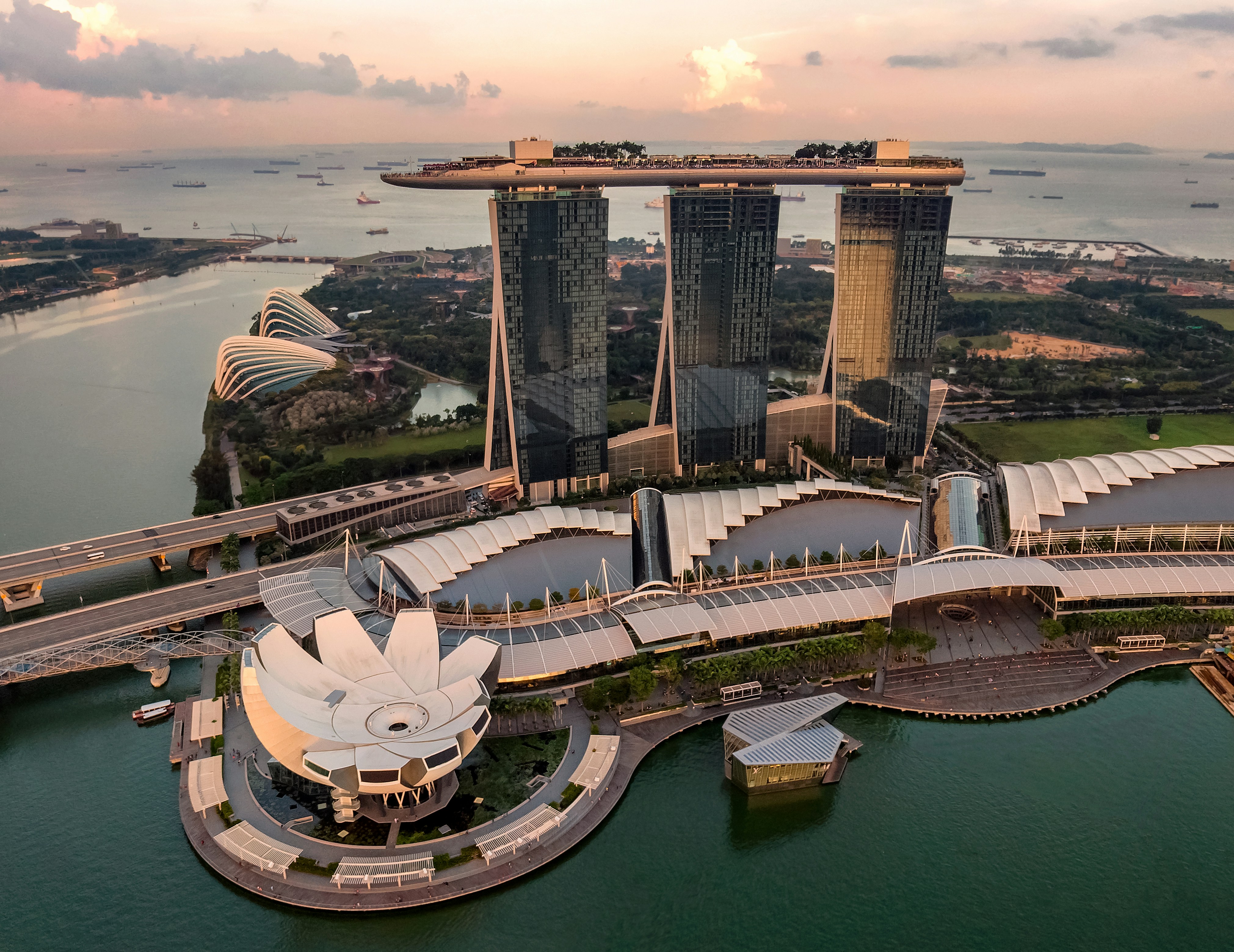
The most expensive, and the only option where you recover at home with your surgeon a taxi ride away.
For small cases, or for anyone who cannot take a week off or travel comfortably, that convenience is worth paying for.
At 2,000 grafts and above the gap is large enough that most people at least look abroad — which is presumably why you are here.
Three things to settle in writing, wherever you go.
The graft count.
Get the expected figure agreed before you pay, and ask whether the clinic will tell you the final implanted count on the day.
A number you can check afterwards is worth more than a range in a brochure.
Who is in the room.
In every high-volume market on this list, technicians commonly perform part of the extraction and implantation.
That is not a defect — it depends entirely on training and supervision — but the arrangement varies enormously between clinics and it is what you are paying for.
Ask which parts the surgeon performs personally.
The revision terms.
Donor hair is finite. If density comes in short or the hairline sits wrong, find out now what correction costs and who bears it.
This is the question people most often skip and most often regret skipping.
Lowest possible cost, distance not a concern → Turkey
Low cost with a short flight → Thailand or Malaysia
Easy follow-up visits above all → Malaysia
A confirmed treatment plan, East Asian-specific protocols and a short flight home → Korea
A small case, or you cannot travel → Singapore
No answer here is universally right, and an article that gives you one is selling something.
The variable that matters most is not the country but the individual clinic — and the fastest way to read a clinic is to ask for results from patients whose hair type and hair loss pattern match yours, rather than the portfolio they lead with.