


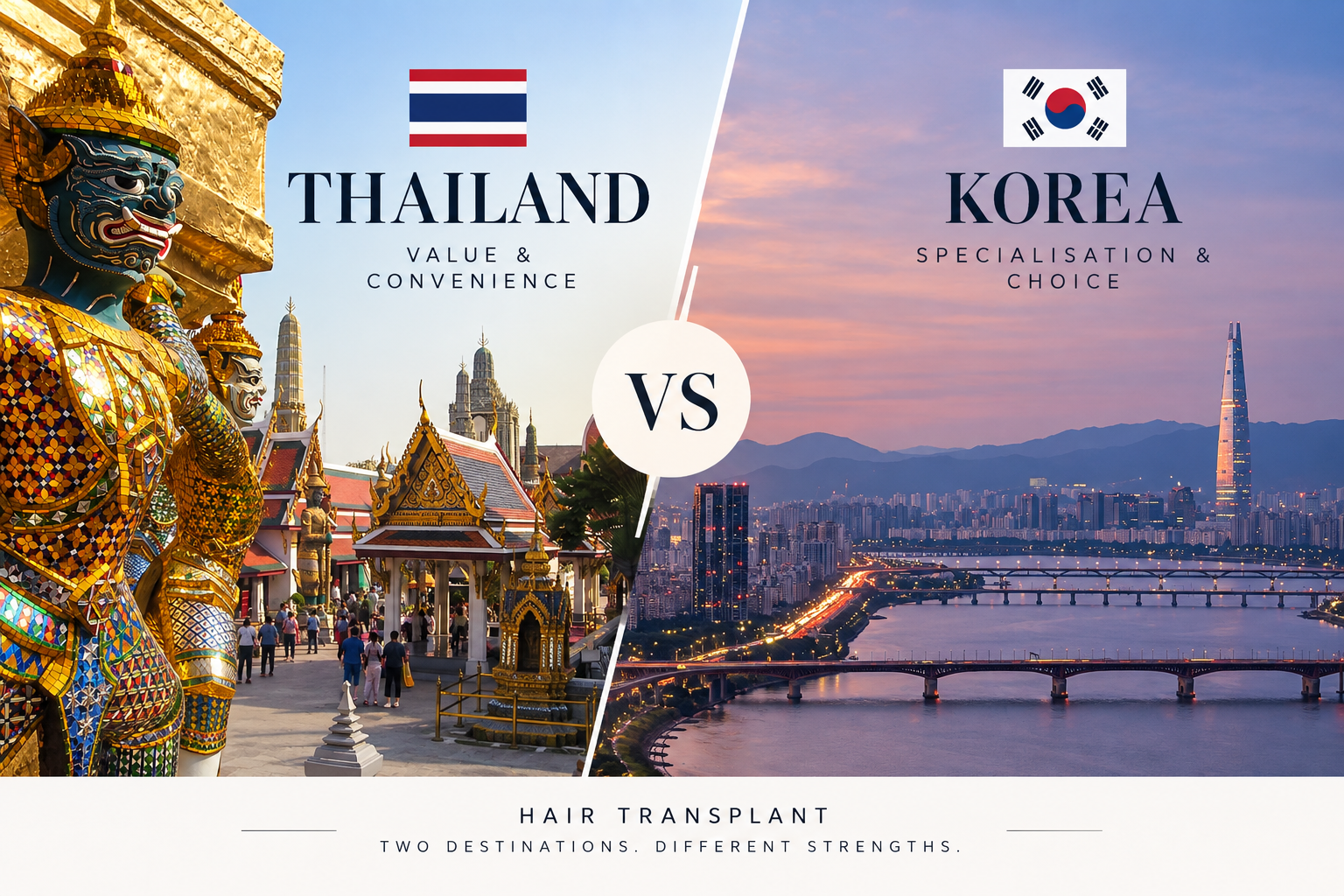
For Singapore patients considering a hair transplant overseas, Thailand and South Korea are two very different options worth comparing.
Thailand has an obvious advantage: it is close to Singapore and hair transplant procedures are generally more affordable.
Korea, on the other hand, usually requires a higher budget and a longer flight, but offers a highly developed hair restoration market with extensive clinical experience in East Asian hair transplantation, specialised hairline design and a wide range of surgical options.
So rather than asking simply, “Is Korea or Thailand better for a hair transplant?”, it is more useful to consider what matters most to you.
In this guide, we compare hair transplants in Korea and Thailand across graft survival and clinical research, hairline design, treatment options and specialisation, cost, travel from Singapore and aftercare.

Prices are estimates used for comparison under the same 2,000-graft condition. Actual prices vary depending on the clinic, technique and individual case.

One of the first numbers patients look for when researching a hair transplant is the graft survival rate.
However, there is currently no reliable country-level evidence showing that hair transplant graft survival is inherently higher in Korea or Thailand.
Korean researchers have published clinical studies examining transplanted hair survival and factors such as implantation density.
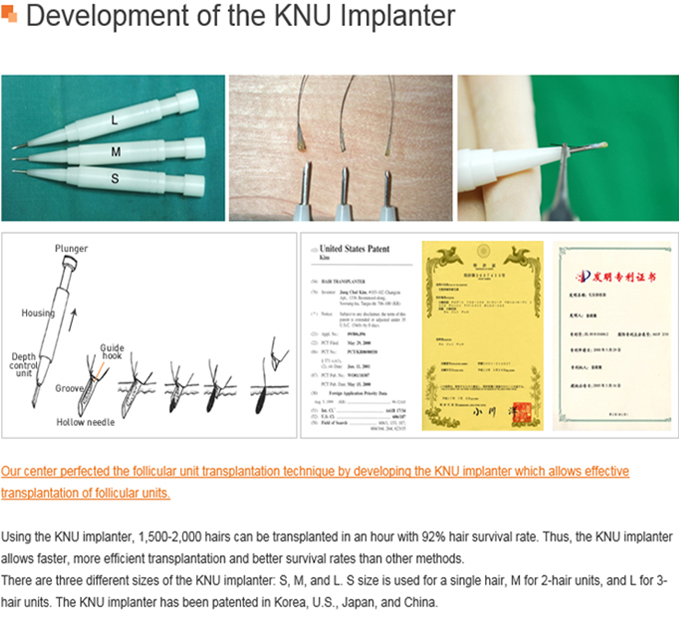
One early study from Kyungpook National University, for example, followed the survival of transplanted follicular units using the KNU implanter.
Thailand also has an established body of hair transplant research.
Researchers from institutions including Mahidol University and Siriraj Hospital have published work related to graft preservation, donor hair characteristics and hairline morphology.
There is no standardised national system that measures hair transplant survival rates under identical conditions across different countries.
Graft survival can be influenced by many factors, including:
For this reason, claims such as “Korea has a 98% survival rate while Thailand has 95%” should be treated cautiously unless they refer to a clearly defined study or individual clinic dataset.
For patients, the experience of the surgical team, graft handling protocol and suitability of the treatment plan may ultimately be more relevant than the country itself.
Although there is no meaningful national graft-survival rate to compare, we can look at the type of clinical and academic work that has developed in each market.
Thailand has experienced hair transplant surgeons and published research covering natural hairline design, donor hair characteristics and graft preservation.
Studies have also examined frontal and temporal hairline patterns in Thai women and donor hair characteristics in Southeast Asian women, providing useful reference data for hair restoration in Asian patients.
Korea also has a long history of clinical research and technical development in hair transplantation, covering a particularly broad range of topics.
One notable example is the KNU Implanter, developed by a hair transplantation research team at Kyungpook National University in Korea.
The implanter technique was clinically studied and reported in the early 1990s and became an important part of the development of modern implanter-based hair transplantation.
Today, similar implanter-based techniques are widely used internationally and are often associated with what is marketed as DHI.
Korean researchers have continued to publish clinical studies on graft survival, implantation density, East Asian hairline design, female hairline correction, donor harvesting, graft placement and non-shaven FUE.
Korean hair transplant surgeons have also published clinical guidelines covering the hair restoration process for East Asian patients, from hairline design and donor harvesting to graft preparation and placement.
This does not mean that a hair transplant performed in Korea automatically has a higher survival rate.
However, the long history of technical development and the depth of clinical research specifically focused on East Asian hair transplantation are distinctive features of Korea's hair restoration market.
Hairline design is about much more than simply drawing a lower line across the forehead.
Facial proportions, the existing hairline, progression of hair loss, hair calibre, growth direction and the patient's long-term hair loss pattern all need to be considered.
Thailand has a long history of clinical experience with natural hairline restoration.
Thai hair transplant literature has discussed techniques that avoid an excessively straight hairline, instead incorporating subtle irregularity and asymmetry and placing single-hair follicular units along the leading edge to create a softer appearance.
Researchers at Mahidol University have also studied frontal and temporal hairline patterns in Thai women and classified different hairline shapes that can be used as references in hair restoration design.
Thailand therefore offers more than simply lower-cost transplantation.
There are experienced surgeons and clinics where natural Asian hairline design is an important part of treatment planning.
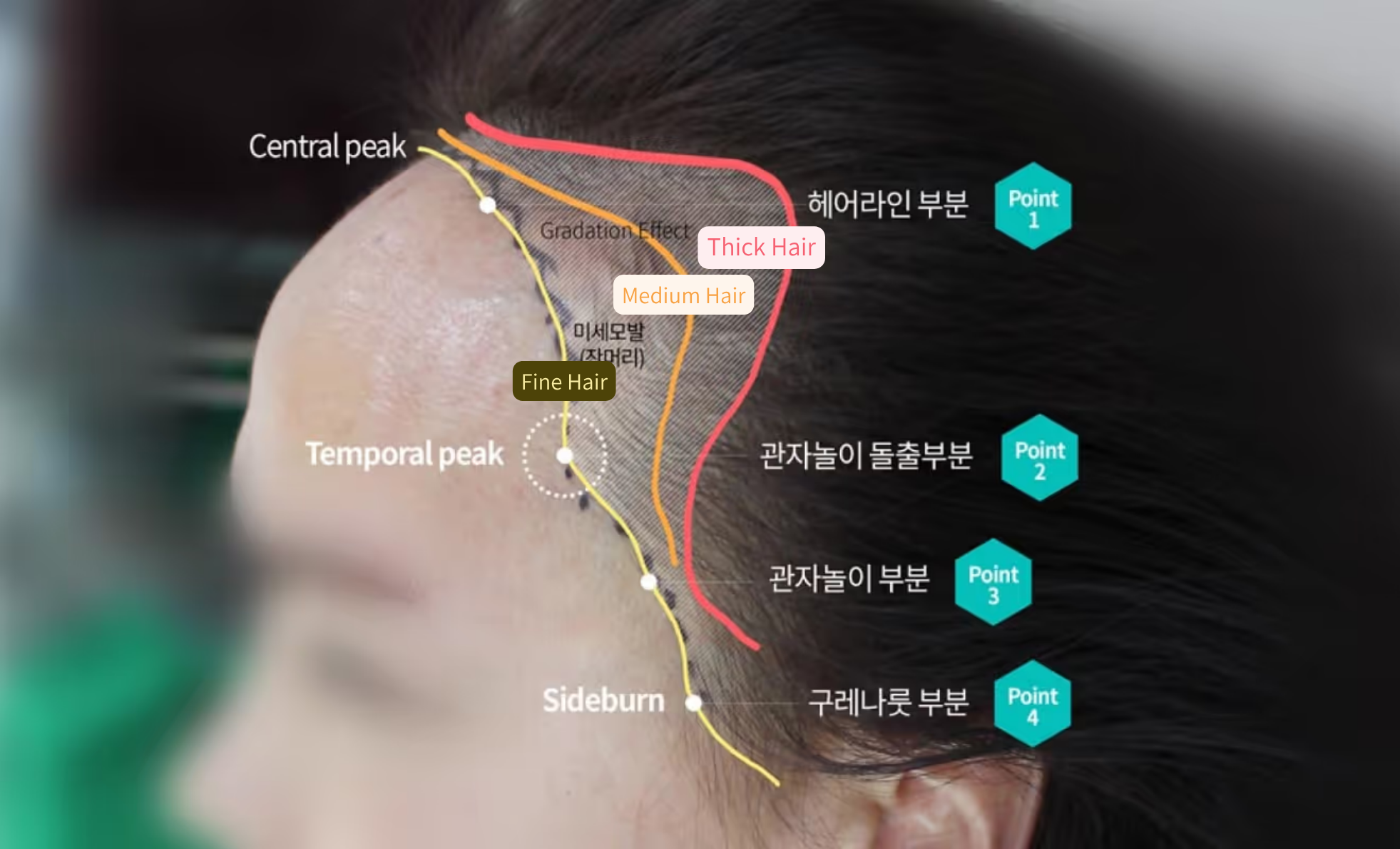
In Korea, hairline transplantation has developed not only as a treatment for hair loss but also as a highly specialised area of aesthetic hairline correction.
This includes male M-shaped recession and frontal restoration, as well as female hairline correction, forehead reduction through transplantation, temple integration and creating a gradual transition between transplanted and existing hair.
Korean researchers have studied the position and shape of normal Asian male hairlines, as well as techniques for creating softer frontal transitions using finer hairs along the leading edge.
The distinction is therefore not that Korea is the only country capable of creating a natural hairline.
Rather, Korea offers a highly segmented hairline correction market, with clinics and surgeons focusing on different aesthetic goals and East Asian facial and hair characteristics.
Both Korea and Thailand offer modern hair transplantation, including FUE and FUT.
For a straightforward case of frontal recession or hairline restoration, there is no reason to assume that the procedure can only be performed in one particular country.
The difference becomes more relevant when a patient's requirements become more specific.
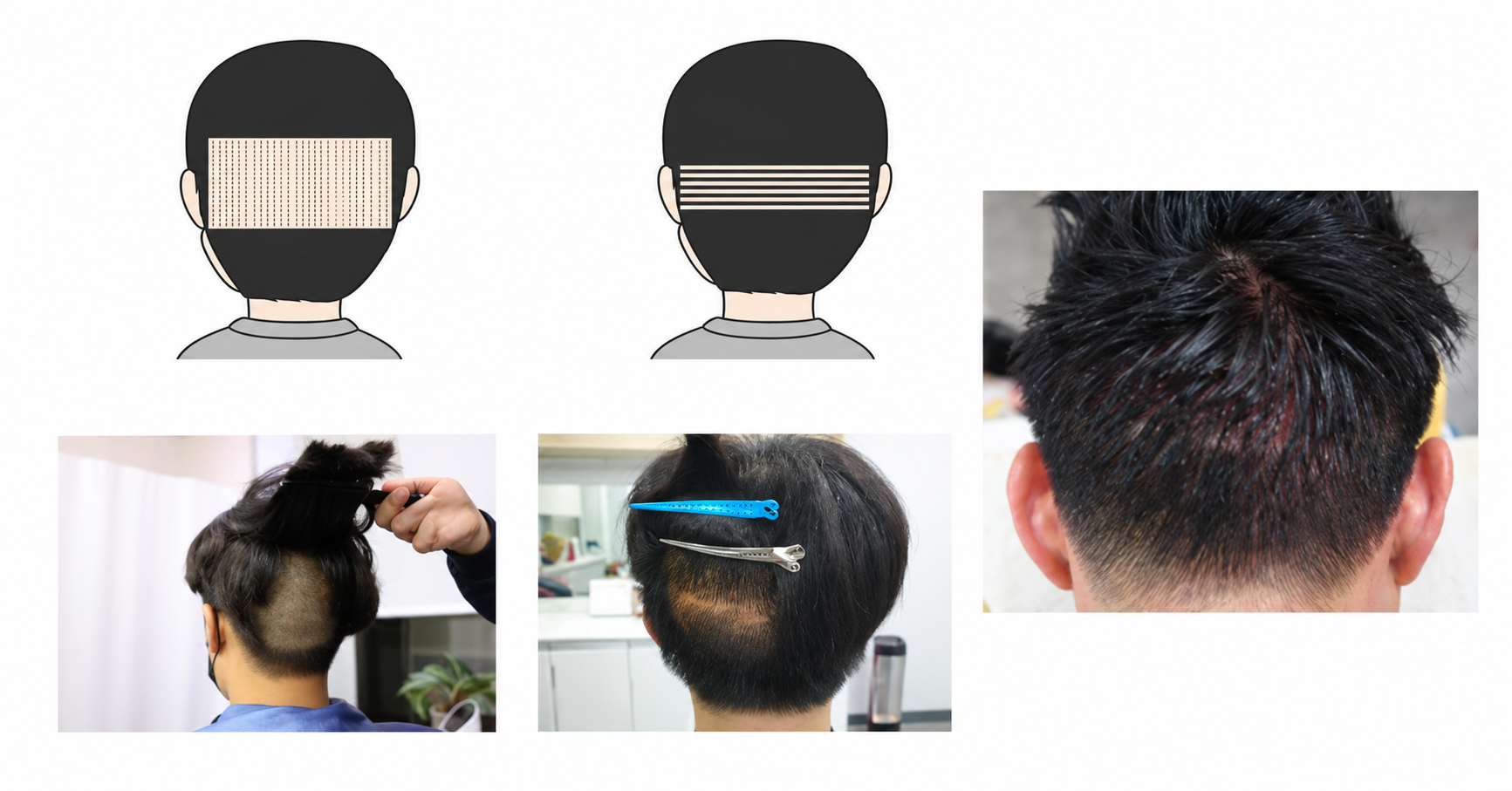
Depending on the clinic, Korea offers access to procedures and approaches including:
FUE / FUT / Partial-shaven or Line-cut FUE / Non-shaven FUE / Long-hair transplantation / Body Hair Transplantation (BHT) / Revision surgery / Female hairline transplantation
Not every patient needs an advanced or highly specialised procedure.
However, these options may become more relevant for patients who have limited donor hair, require revision surgery, want to minimise visible shaving, wish to maintain longer hair during treatment or have a particularly specific aesthetic goal.
This is why Korea's higher price should not always be interpreted simply as paying more for the same procedure.
For patients looking at the premium end of the market, the more useful question may be whether a clinic has the right specialisation, technique and experience for their particular case.
If cost is the main deciding factor, Thailand has a clear advantage.
Using the same 2,000-graft benchmark from our overseas hair transplant comparison:
2,000 grafts: approximately S$5,100
2,000 grafts: approximately S$9,380
Under this comparison, Korea costs approximately S$4,280 more for 2,000 grafts.
For someone primarily looking for an affordable overseas hair transplant, Thailand can therefore be a very attractive option.
For a broader comparison, see our guide to hair transplant costs across Korea, Thailand, Malaysia and Turkey.
However, prices vary considerably within both countries.
The final quotation can depend on the clinic, surgeon, harvesting method, whether shaving is required, the complexity of the procedure and the patient's individual condition.
Korea in particular spans a wide range of clinic types, from clinics providing relatively straightforward FUE procedures to specialist centres handling procedures such as BHT, long-hair transplantation and revision cases.
For a closer look at how prices vary between different types of clinics in Korea, see our 2,000-graft clinic cost comparison.
When comparing prices, it is therefore better to compare the same graft count, technique and treatment conditions, rather than country-level prices alone.
For Singapore patients, travel is another obvious difference.
Approximately 2.5 hours
Approximately 6.5 hours
Airfares vary significantly depending on travel dates and airline, but Bangkok is clearly the more convenient short-haul destination from Singapore.
The shorter distance can be particularly valuable if a patient needs to return to the clinic in person after the procedure.
For patients who prioritise both cost and convenience, Thailand therefore presents a strong practical case.
When comparing overseas hair transplants, it is important to think beyond the day of surgery.
Patients may need guidance on washing, donor-area care, swelling, scabbing and temporary shedding, followed by several months of monitoring as the transplanted hair begins to grow.
Thailand's proximity to Singapore gives it an obvious advantage if an in-person return visit becomes necessary.
Korea is considerably further away, making physical follow-up visits less convenient.
This is one of the areas where the support structure around the procedure becomes particularly important.
For patients travelling to Korea through KAN HAIR, our support does not end once the surgery is completed.
After returning to Singapore, patients can continue to contact us regarding their recovery.
When necessary, we communicate with the partner clinic in Korea, share the patient's current condition and photographs, and relay the clinic's feedback and post-operative guidance.
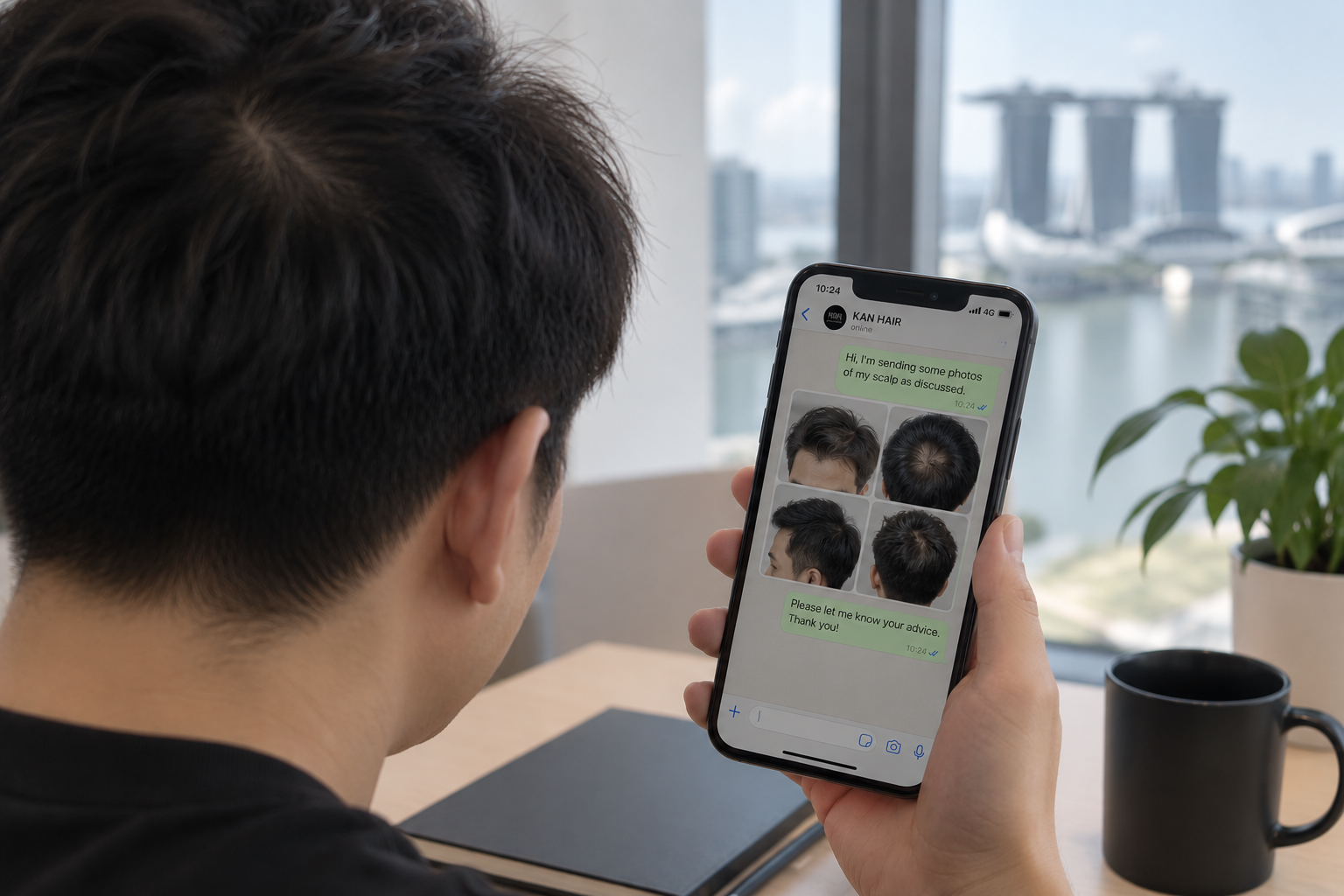
The process can therefore continue through:
Consultation → Clinic comparison → Booking → Support in Korea → Communication with the clinic after returning to Singapore
This does not replace medical assessment when an in-person examination is necessary, but it helps maintain communication with the treating clinic even after the patient has returned home.
There is no single winner across every category.
Instead, the strengths of the two destinations are quite different.

Thailand is close to Singapore, easier to revisit and generally less expensive under the 2,000-graft benchmark used in this comparison.
It also has established hair transplant clinics, modern FUE and FUT procedures and published clinical work on natural hairline design and Asian hair characteristics.
For patients who place a high priority on cost and travel convenience, Thailand is a compelling option.
.jpg)
Korea generally requires a higher budget and a considerably longer flight from Singapore.
Its appeal therefore does not come primarily from price.
Instead, Korea may be particularly relevant to patients who value East Asian-focused hair restoration experience, detailed hairline design, a broad range of surgical approaches and the ability to choose clinics based on specific areas of specialisation.
Hair transplantation also needs to be considered in the context of long-term planning.
Donor hair is finite, and grafts used today cannot simply be replaced if further hair loss develops in the future.
For some patients, choosing the lowest-cost option may therefore be less important than finding a surgeon and treatment plan suited to their current hair loss, aesthetic goals and potential future progression.
For patients travelling from Singapore, Thailand has clear advantages in both cost and accessibility.
Bangkok is around 2.5 hours away, and under the same 2,000-graft benchmark used in this comparison, treatment can be considerably less expensive than in Korea.
Korea requires a longer journey and a higher budget.
The reason to consider Korea is therefore not that it is cheaper.
Its appeal lies in the depth of East Asian hair restoration experience, a highly developed hairline correction market, diverse surgical approaches and the ability to select clinics according to specific treatment needs.
Ultimately, the better question may not be:
“Is Thailand or Korea better for a hair transplant?”
but:
“Do I prioritise cost and convenience, or am I willing to invest more for specialisation and a wider choice of treatment approaches?”
KAN HAIR works with multiple partner clinics in Korea rather than directing every patient to the same clinic.
We compare options based on your current hair condition, desired design, estimated graft requirements, preferred procedure and budget.
If you are considering a hair transplant in Korea from Singapore, you can start by sending us photos of your current hair condition.
We can help estimate your graft requirements and compare suitable options across our partner clinics.